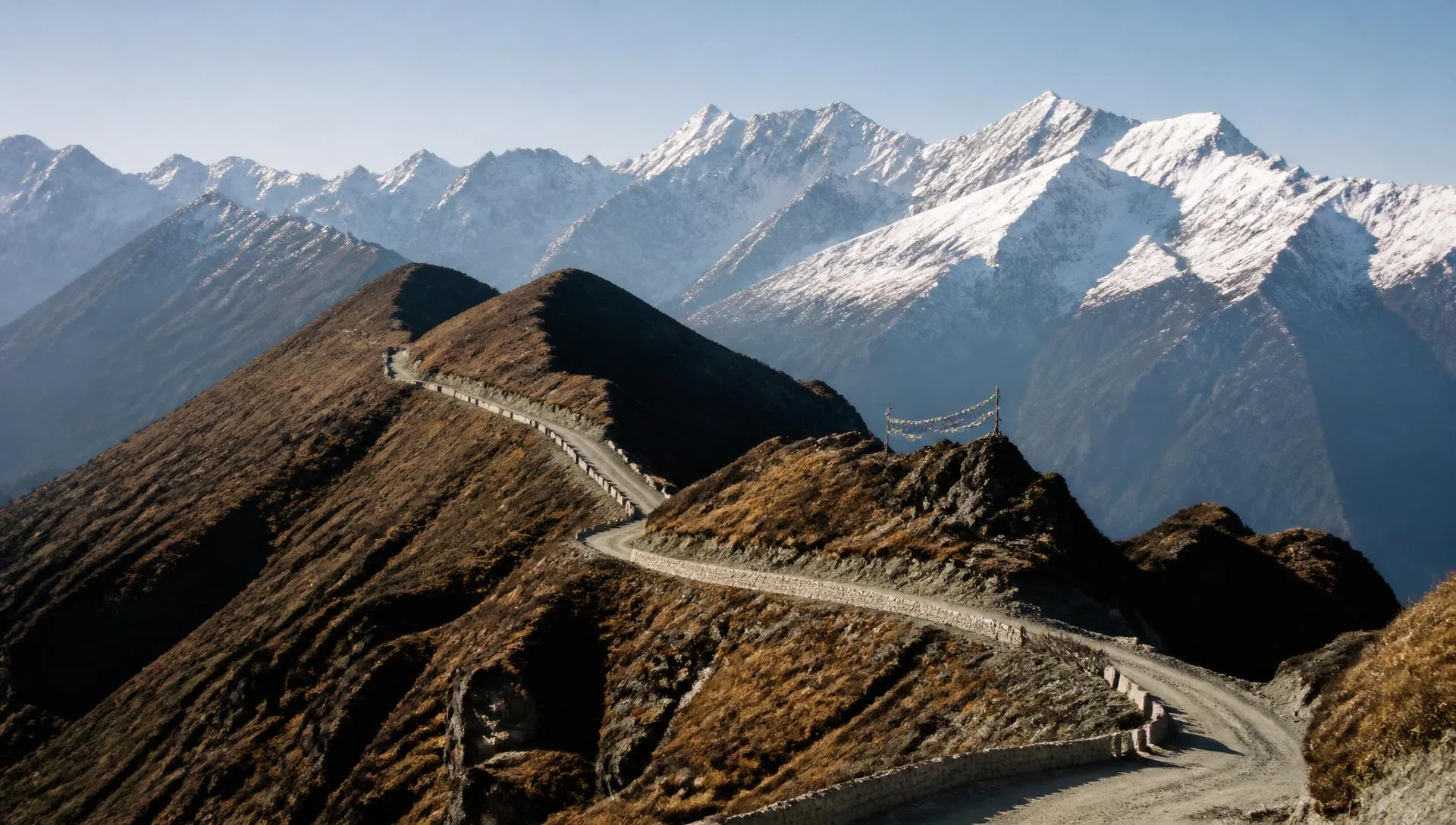
Winding high-altitude mountain road on a bare ridge in Sikkim with snow peaks behind

Sikkim Travel Guide

Mountains, high-altitude valleys, winding roads and experiences worth travelling for.

From the streets of Gangtok to the high-altitude landscapes of North Sikkim, discover the places, routes and experiences that can shape your Sikkim trip.

Scroll

Best time

March–May & October–November

Ideal duration

5–9 days

Gateway

Bagdogra / Siliguri

Best for

Mountains · Road Trips · Snow · Culture

Regions

East · North · South · West

Overview

Sikkim is more than one itinerary.

The state is small on paper and enormous in practice. Gangtok is a working hill city with cafés, traffic and a ridge full of viewpoints. Four hours north the road narrows, the tree line drops away and North Sikkim turns into bare plateau, cold rivers and villages that shut down after dark.

West Sikkim is slower — Pelling looks straight at Kanchenjunga on a clear morning and rewards people who stay put for a few days. South Sikkim, around Namchi, Ravangla and the Temi tea slopes, is the greenest and easiest to reach. And Zuluk, on the Old Silk Route, exists mainly for the road itself.

Choosing between them matters more than trying to see all of them.

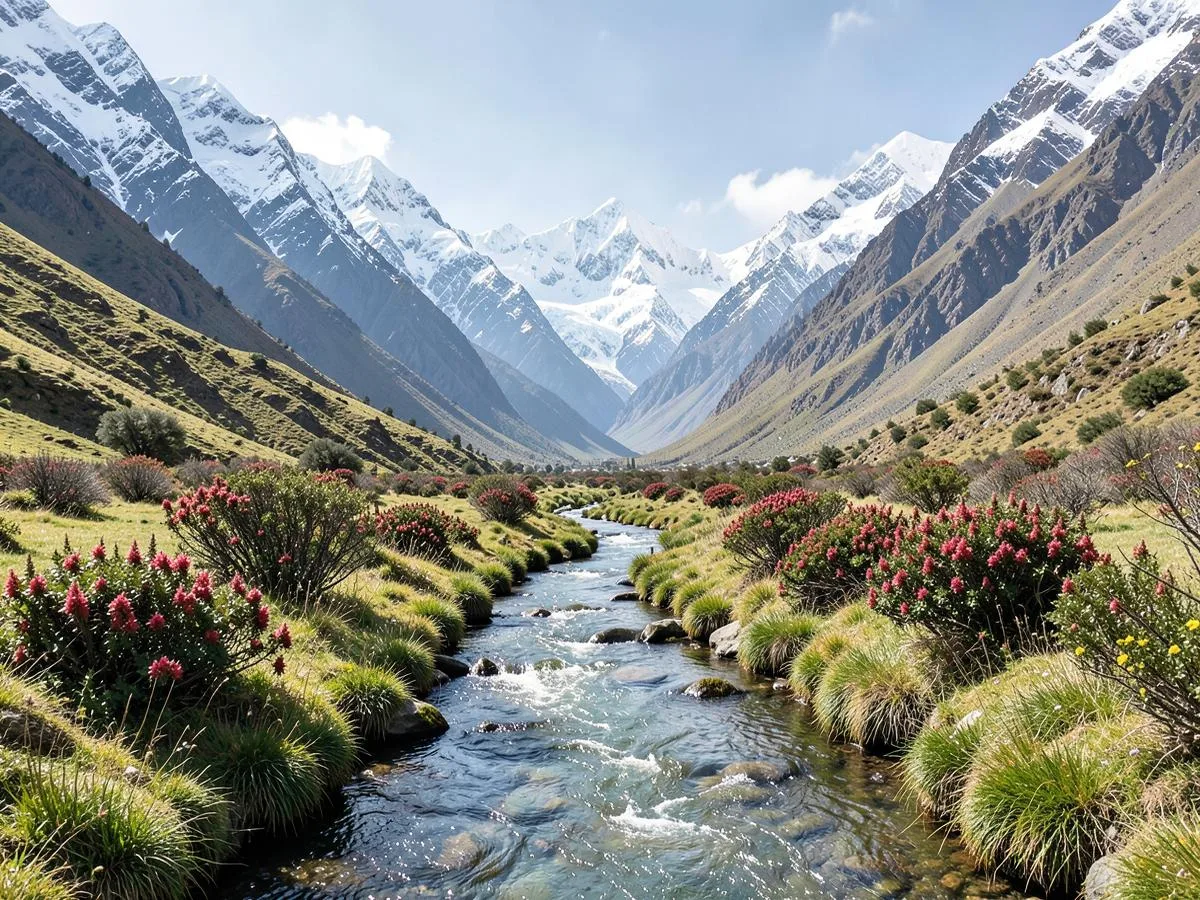
Alpine valley in Sikkim with a river, flowering shrubs and snow-covered peaks

Where to go

Best places to visit in Sikkim

Grouped by region, because that is how a Sikkim trip is actually built — one or two regions at a time.

East Sikkim

Gangtok, the Nathula road and the Old Silk Route.

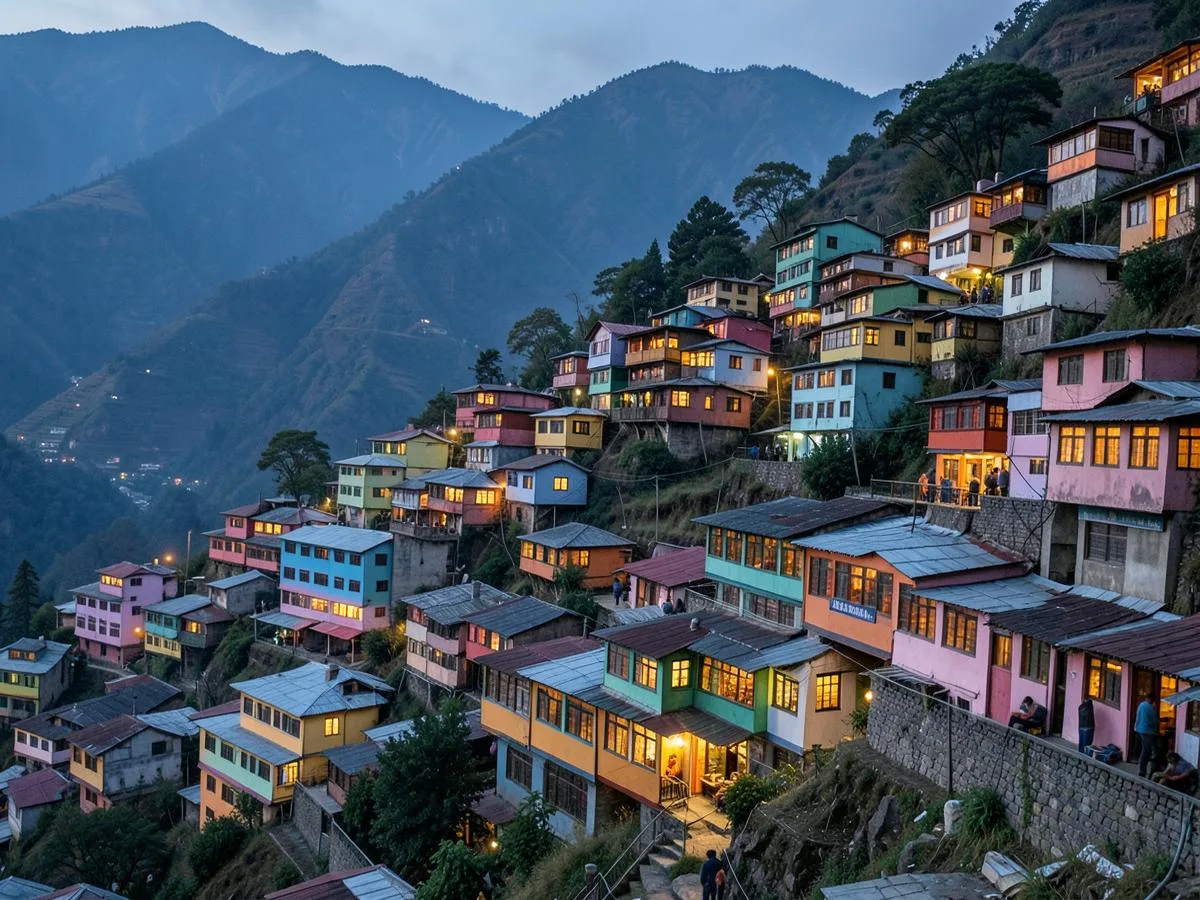
Colourful houses stacked on a steep hillside in Gangtok, Sikkim, at dusk

East Sikkim · 1,650 m approx.

Gangtok

The state capital and the natural starting point for almost every Sikkim trip. Gangtok is where paperwork, permits and vehicles get sorted, and where you acclimatise before heading higher.

  • MG Marg — pedestrian-only high street, cafés and evening walks
  • Ropeway and ridge viewpoints over the valley
  • Rumtek and Enchey monasteries
  • Day excursions towards Tsomgo and Nathula
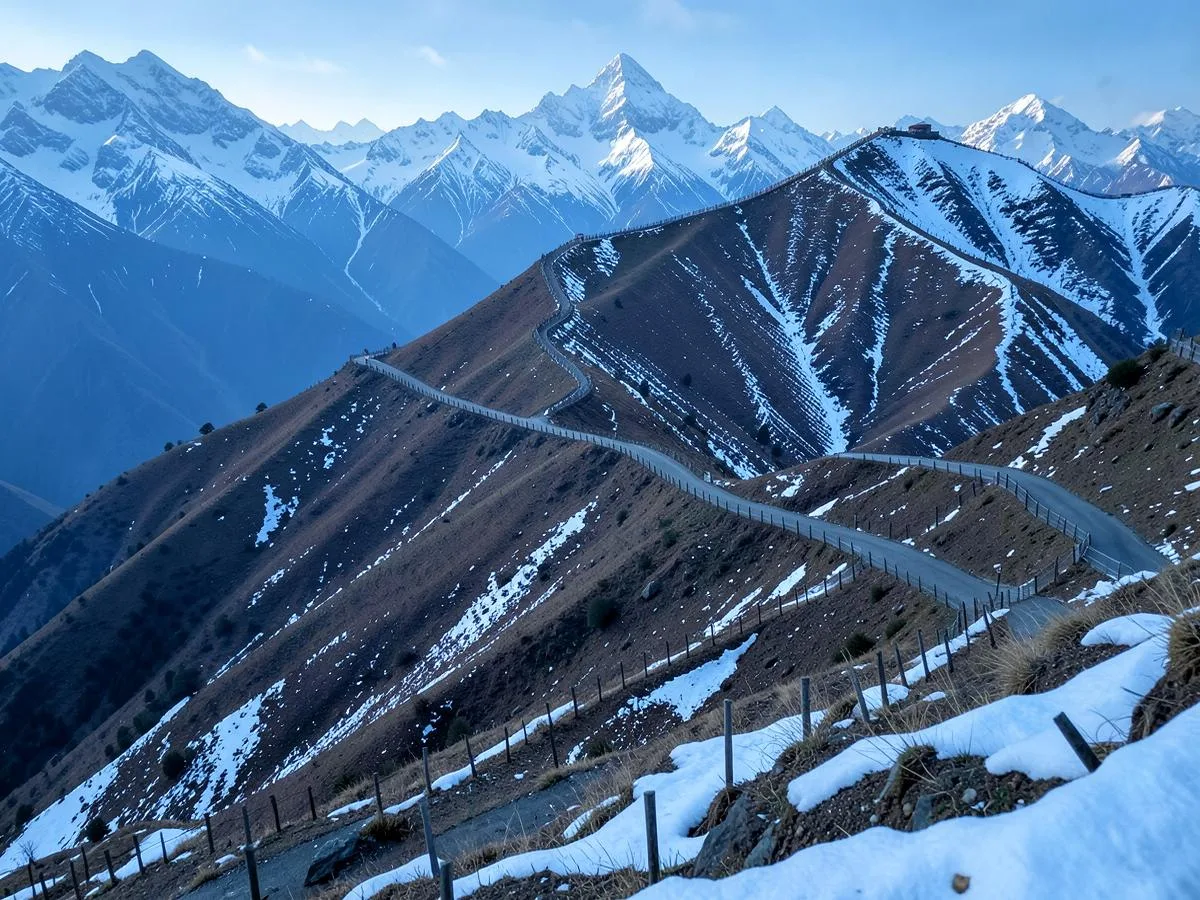
Snow-streaked ridges and a winding road near Nathula Pass in East Sikkim

Restricted area · permit required

Nathula Pass

A high-altitude pass on the India–China border and one of the old trading routes into Tibet. The drive up is bare, cold and dramatic, and the pass itself carries real historical weight.

  • Permit required, arranged through a registered operator
  • Usually combined with Tsomgo Lake as a day trip from Gangtok
  • Access depends on weather and current regulations
Tsomgo Lake in Sikkim reflecting snow-capped mountains with prayer flags on the shore

East Sikkim · glacial lake

Tsomgo (Changu) Lake

A glacial lake on the Nathula road that looks completely different across the year — frozen and white in deep winter, deep blue-green once the snow melts back.

  • On the same route as Nathula, so plan them together
  • Permit required
  • Altitude is felt here — take it slowly
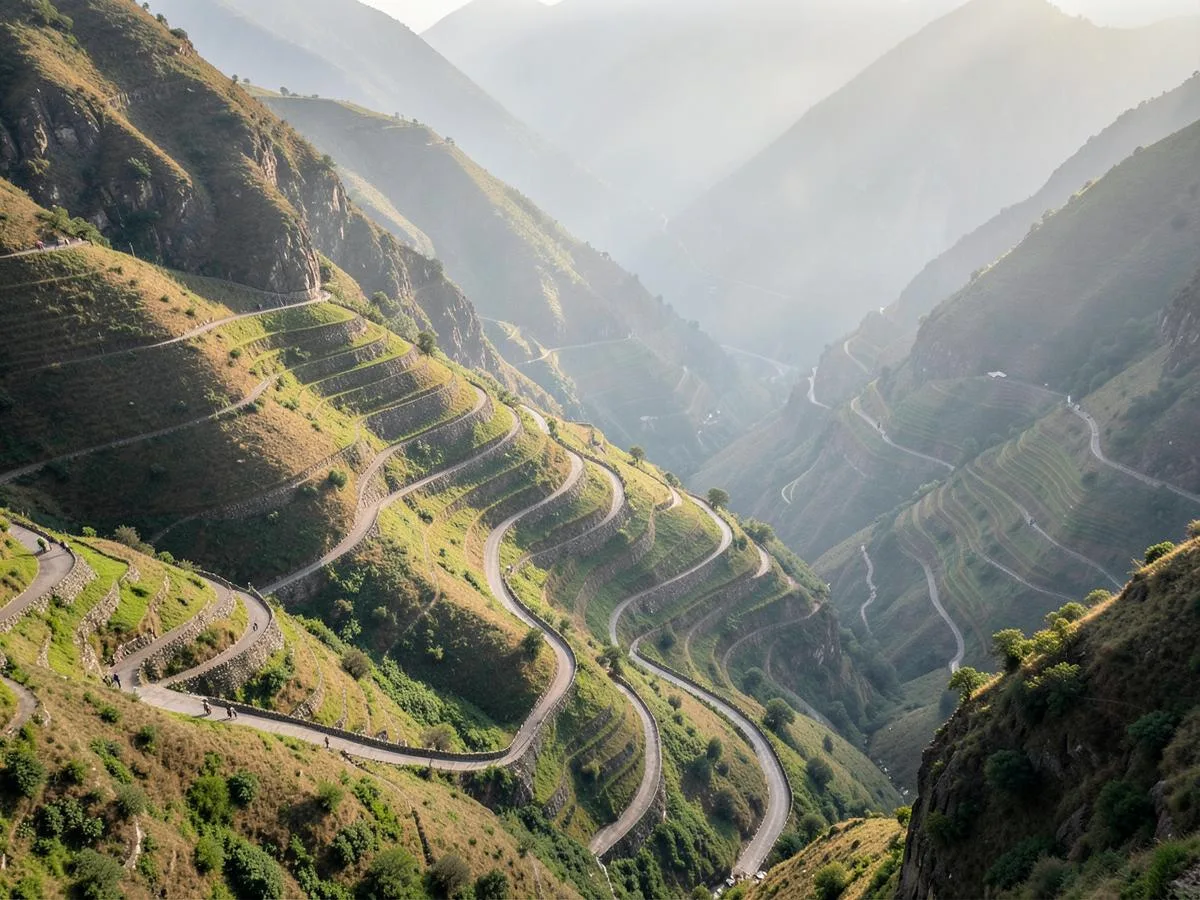
Zigzag hairpin bends of the Old Silk Route road near Zuluk in East Sikkim

Old Silk Route · road-trip country

Zuluk

A small settlement on the Old Silk Route, known for the stack of hairpin bends climbing out of the valley. This is the part of Sikkim that road-trippers come specifically for.

  • Best paired with Padamchen, Thambi View Point and Nathang Valley
  • Homestay-led, limited infrastructure
  • Restricted-area rules apply on parts of the route
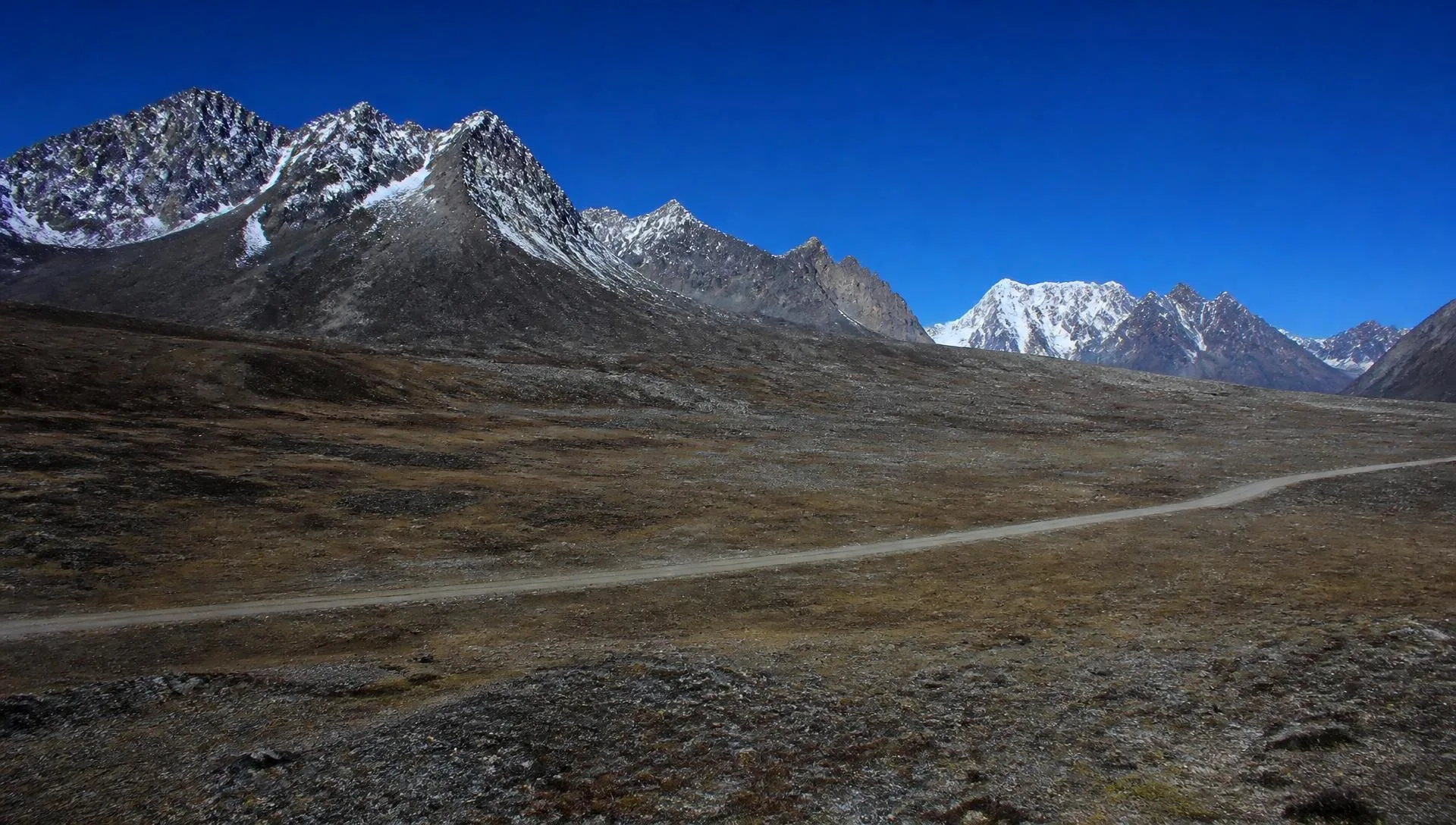
Vast high-altitude plateau and snow-streaked peaks in North Sikkim

The high country

North Sikkim

Where the road gets higher, the air gets thinner and the landscape gets wilder.

North Sikkim is not one trip. It is two separate valleys, reached on two separate drives, and mixing them up is the most common planning mistake people make.

Circuit 1

  1. Gangtok
  2. Lachen
  3. Gurudongmar Lake

Circuit 2

  1. Gangtok
  2. Lachung
  3. Yumthang Valley
  4. Zero Point
Mountain village of wooden houses beside a river in North Sikkim

Lachen circuit

Lachen

A high mountain village and the base for the drive to Gurudongmar. Nights here are cold and simple; departures are usually very early.

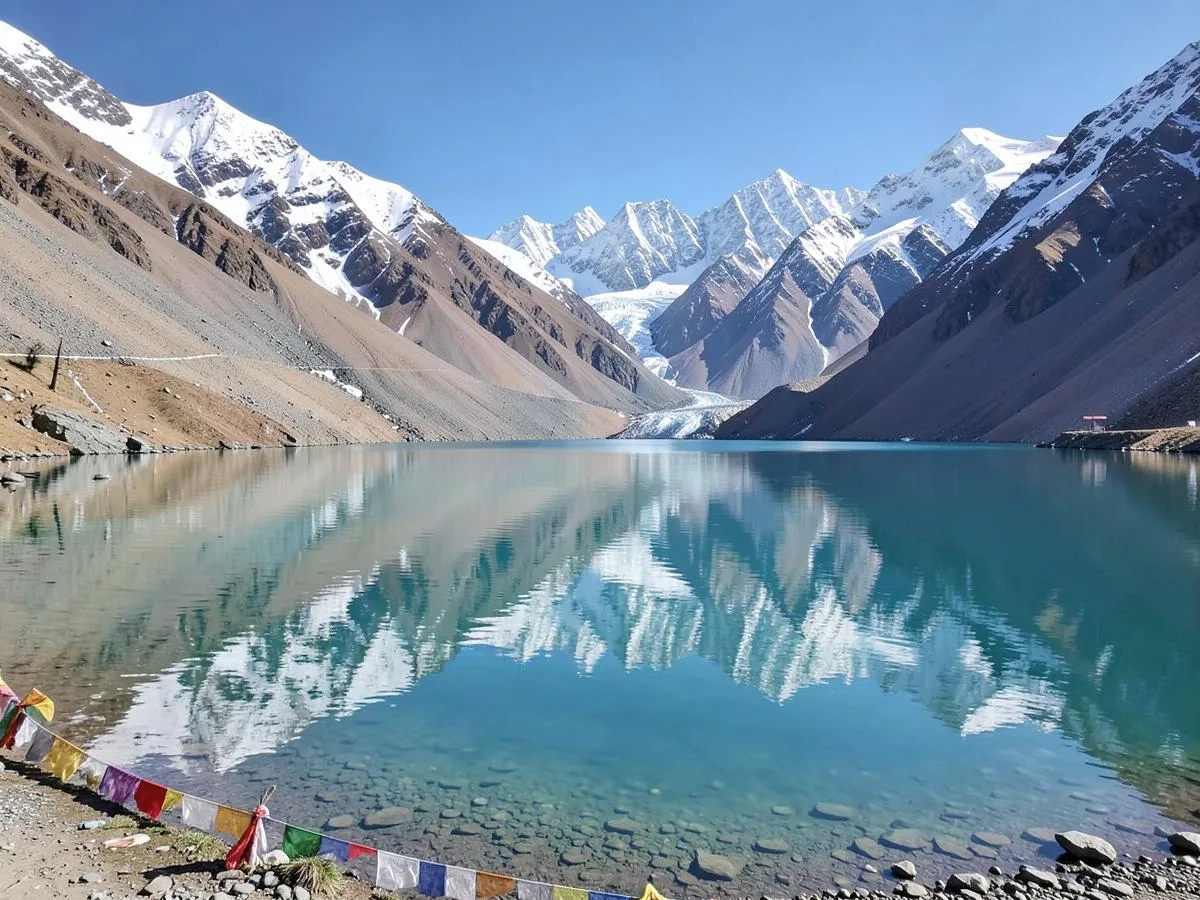
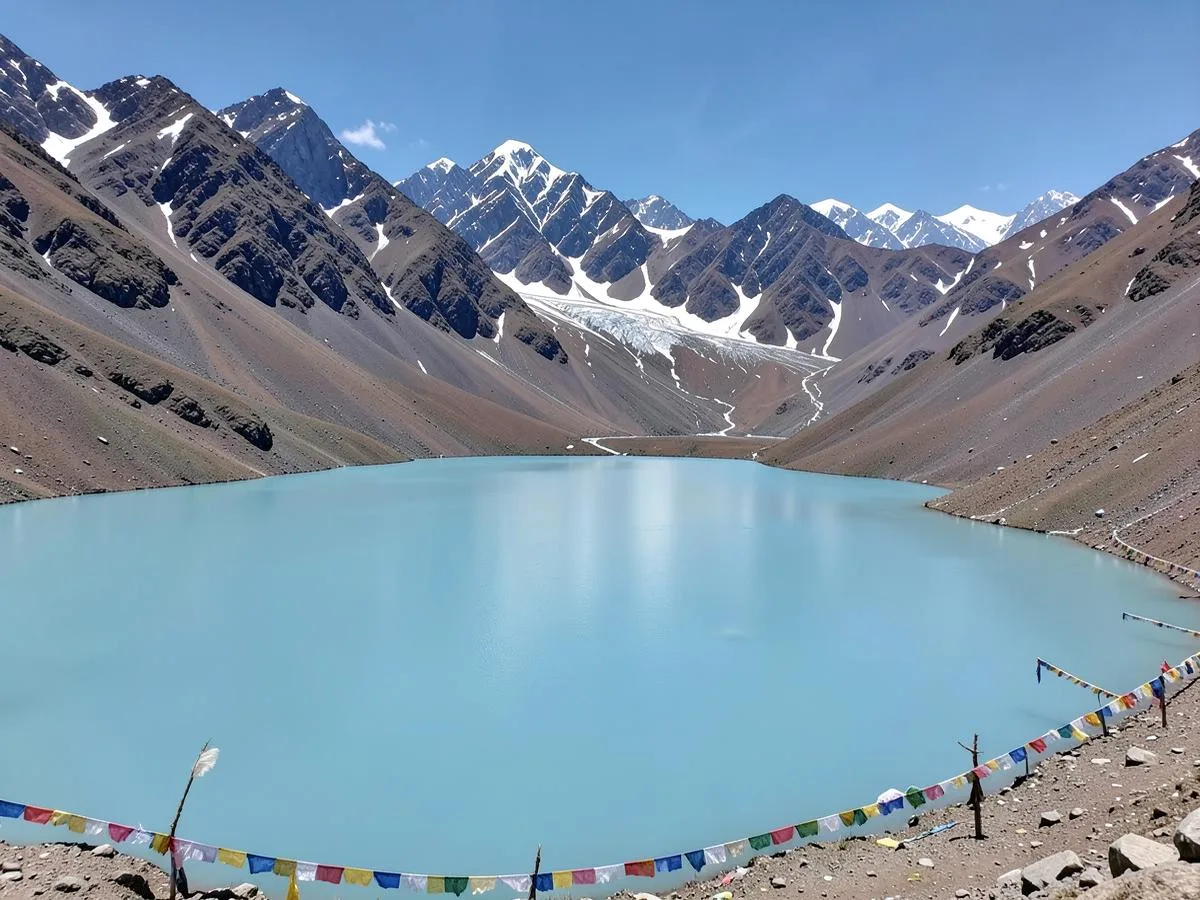
Turquoise Gurudongmar Lake surrounded by bare Himalayan mountains and prayer flags

Lachen circuit · very high altitude

Gurudongmar Lake

One of the highest lakes in the country, set on a stark, wind-scoured plateau. The landscape here is almost entirely rock, sky and water.

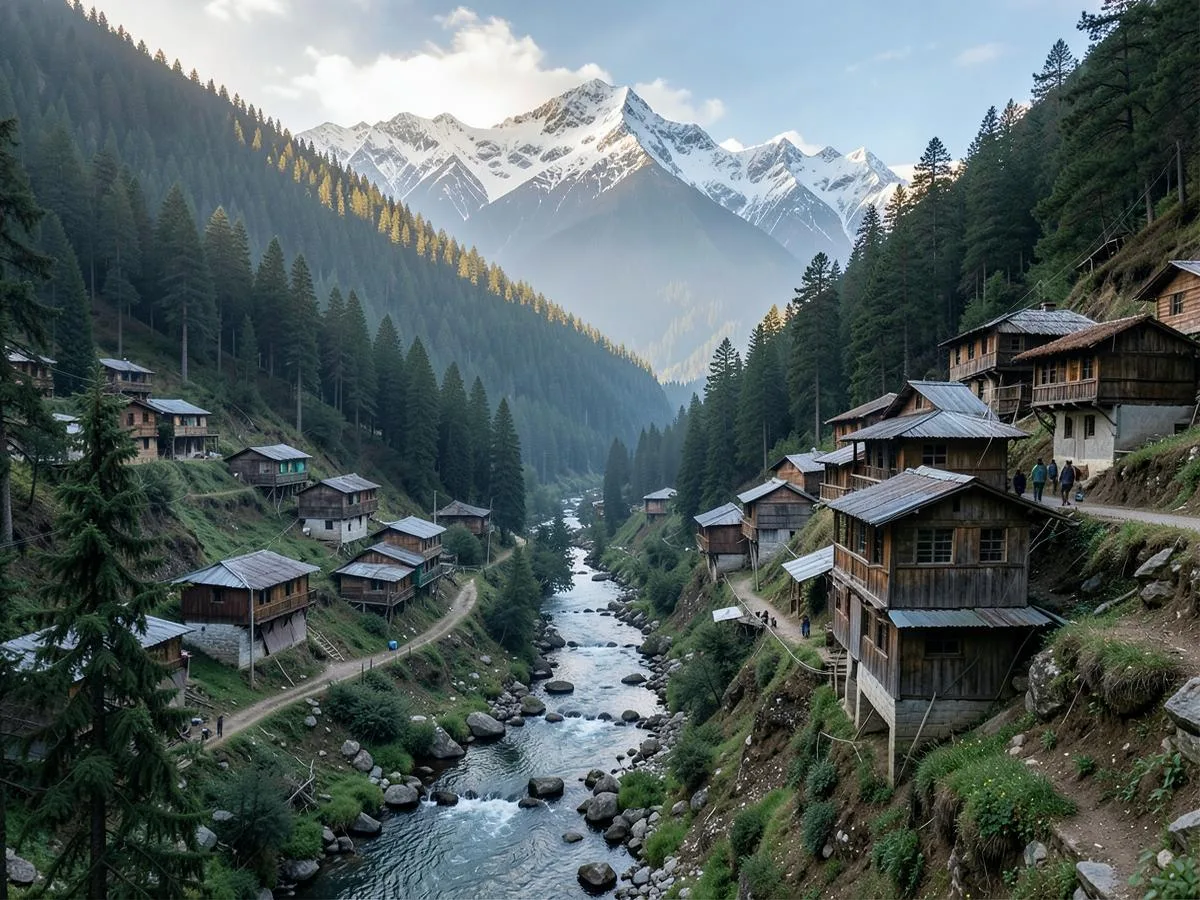
Wooden houses of Lachung village on a forested valley floor in North Sikkim

Lachung circuit

Lachung

A river-valley village surrounded by pine and snow peaks, and the base for both Yumthang Valley and Zero Point.

Yumthang Valley in North Sikkim with a river, rhododendron shrubs and snow peaks

Lachung circuit

Yumthang Valley

An open alpine valley that changes character completely with the season — rhododendrons in spring, bare grass in autumn, snow in winter.

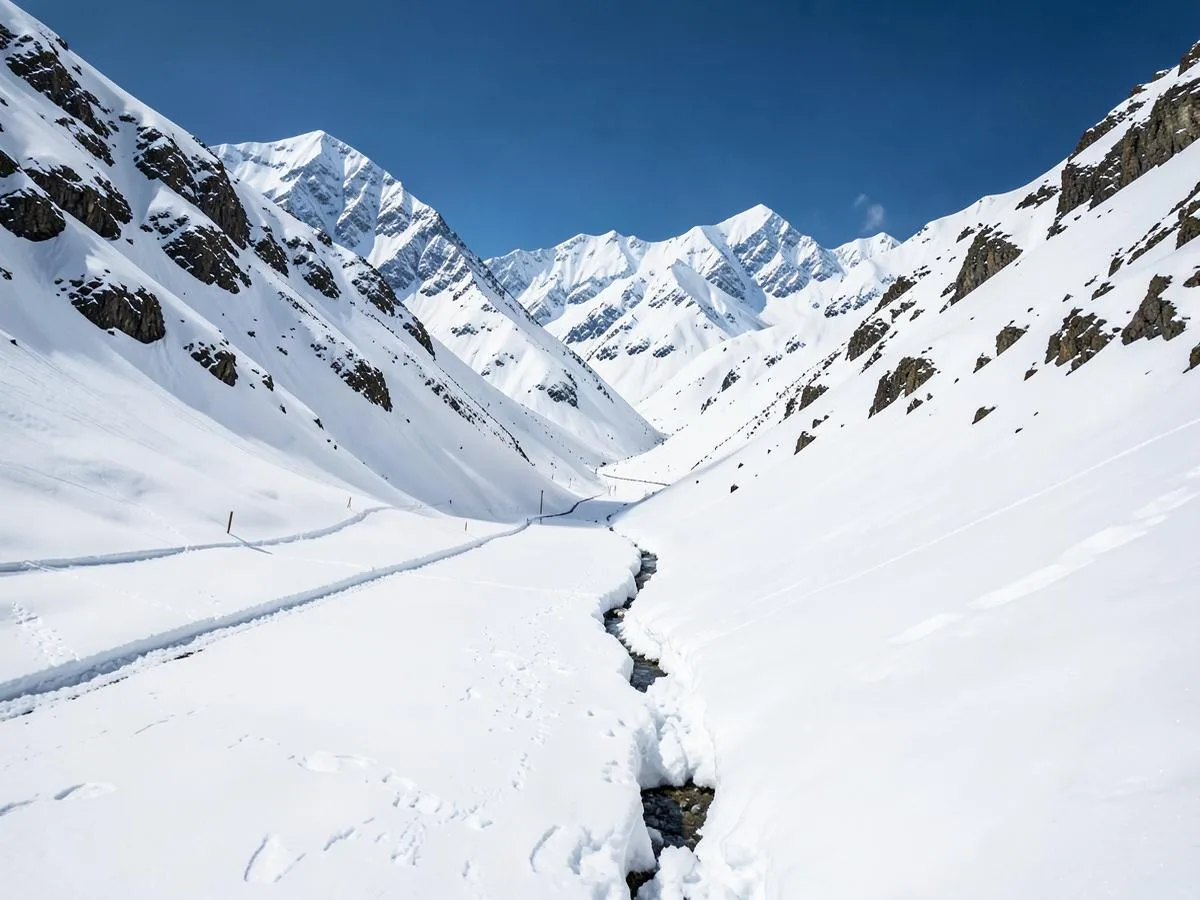
Snow-covered high-altitude valley at Zero Point beyond Yumthang in North Sikkim

Lachung circuit · seasonal access

Zero Point

The point beyond Yumthang where the civilian road ends. Snow cover and access change through the year and are never guaranteed.

North Sikkim needs permits, the right vehicle and a realistic number of days. We handle all three.

See North Sikkim trips

West Sikkim

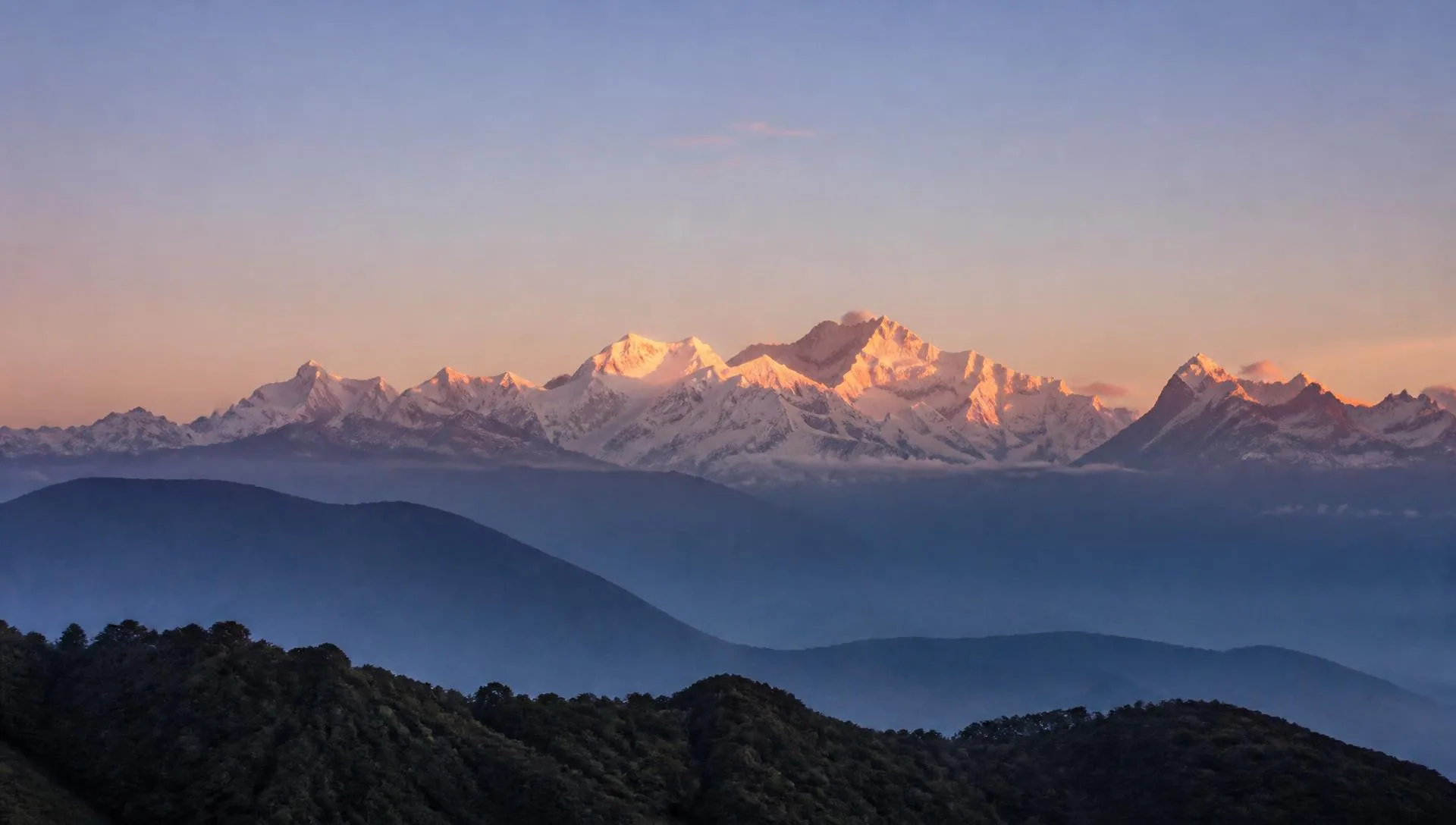
Kanchenjunga snow peaks at sunrise above forested ridges seen from Pelling, West Sikkim

West Sikkim

Pelling

Pelling is built around one thing: the view. On a clear morning Kanchenjunga fills the skyline, and the rest of the day is monasteries, waterfalls and short drives through forest.

  • Kanchenjunga views, best at first light
  • Pemayangtse and Sanga Choeling monasteries
  • Kanchenjunga and Rimbi waterfalls
  • Skywalk, Rabdentse ruins and Khecheopalri Lake nearby
  • Suits slower travel — two or three nights

South Sikkim

The greenest and most accessible corner of the state.

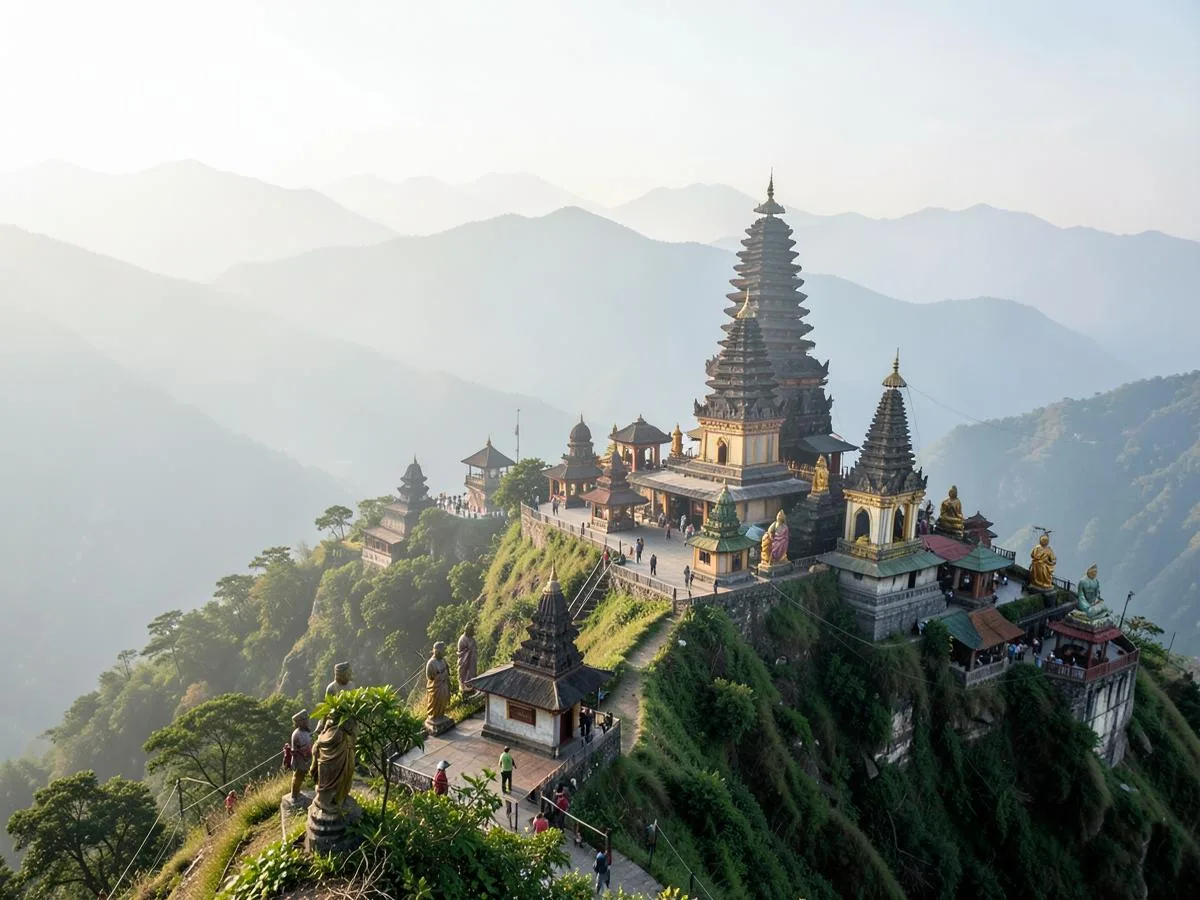
Hilltop temple complex near Namchi in South Sikkim with layered mountain ridges behind

South Sikkim

Namchi

Known for the Char Dham complex and Samdruptse, with wide views across the southern ridges. An easy stop between Siliguri and the rest of the state.

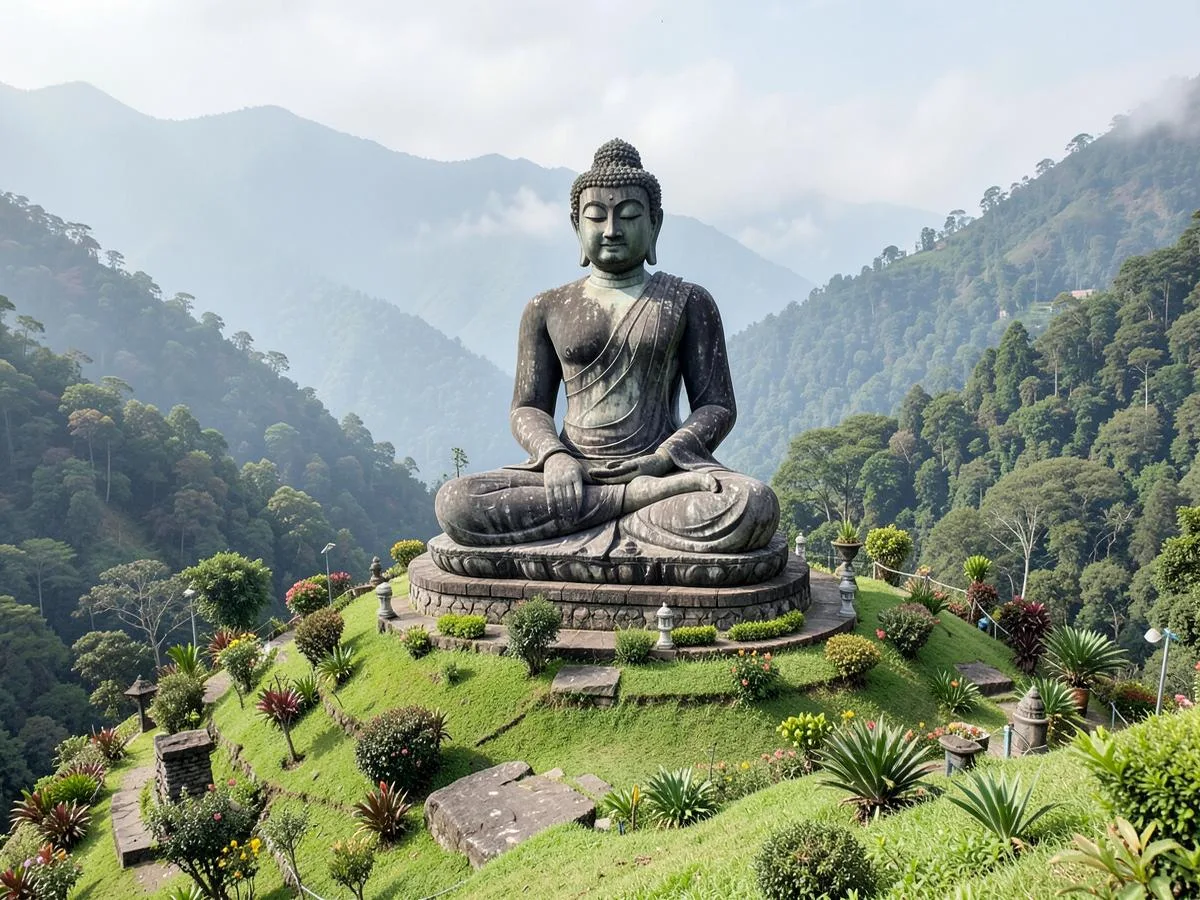
Large seated Buddha statue on a green hilltop at Ravangla, South Sikkim

South Sikkim

Ravangla

Buddha Park sits on a ridge with mountain views on clear mornings. Quieter and slower than Gangtok, and a good base for short walks.

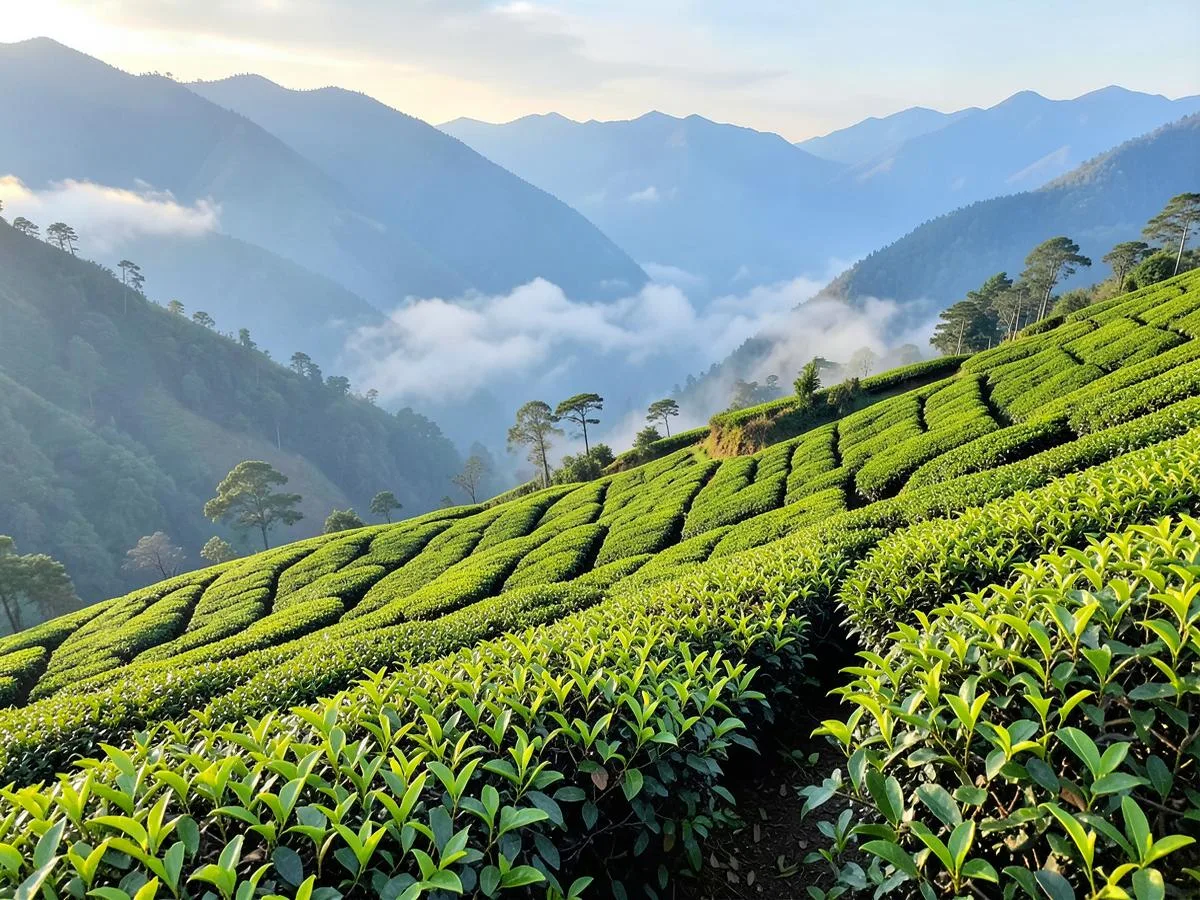
Rows of tea bushes on misty Himalayan slopes at Temi Tea Garden, Sikkim

South Sikkim

Temi Tea Garden

Sikkim's only tea estate, laid out across a long slope with the Himalaya behind it. Best in the early morning before the cloud comes up the valley.

When to go

Best time to visit Sikkim

March – May

Spring

  • Rhododendrons in bloom
  • Pleasant weather for sightseeing
  • Popular for North Sikkim

June – September

Monsoon

  • Rain across the state
  • Possible road disruption
  • Keep itineraries flexible

October – November

Clear mountain season

  • Best odds of clear peaks
  • Comfortable for road trips
  • Strong all-round sightseeing

December – February

Winter

  • Cold, crisp days
  • Snow possible at altitude
  • High-altitude access can change

Best time by experience

SnowWinter, depending on conditions
RhododendronsMarch–May
Clear mountain viewsOctober–November
Road tripsSpring / Autumn
General sightseeingMarch–May / October–November

Snowfall, road access and permit rules vary year to year and cannot be guaranteed for any given date.

How long

How many days do you need?

4–5 days

Gangtok + East Sikkim

A shorter first trip. Gangtok as a base, with Tsomgo, Nathula and nearby monasteries.

GangtokTsomgoNathula

6–7 days

Gangtok + North Sikkim

For travellers prioritising Lachung, Yumthang and Zero Point, with time to acclimatise.

GangtokLachungYumthangZero Point

8–10 days

A broader Sikkim trip

Combine East and North with West or South depending on what you actually want from the trip.

EastNorthWest / South

Mountain travel takes longer than it looks on a map. Avoid trying to cover the entire state in a few days.

Trips by OhNortheast

Ready to experience Sikkim?

Choose a route or build your own.

North Sikkim Adventure trip by OhNortheast

North Sikkim Adventure

Gangtok · Lachung · Yumthang · Zero Point

4D/5NFrom ₹18,499*
View Trip
The Serene Trails of Sikkim trip by OhNortheast

The Serene Trails of Sikkim

A broader Sikkim experience across the state

8D/7NFrom ₹23,449*
View Trip

* Prices are indicative and subject to demand, availability and the time of visit. Live details are on each trip page.

High mountain road curving across a Sikkim ridge line

Your Sikkim. Your Route.

Don't want to follow a fixed itinerary? Tell us where you want to go, when you're travelling and what kind of experience you're looking for. We'll help build the route around you.

Practical information

How to reach Sikkim

By air

Pakyong Airport in Sikkim and Bagdogra Airport near Siliguri. Bagdogra has the wider network.

By train

New Jalpaiguri (NJP) is the main railway gateway, connected to most major cities.

By road

Bagdogra, Siliguri and NJP all connect onward to Gangtok by shared or private vehicle.

Do you need permits in Sikkim?

Parts of Sikkim are restricted areas and require permits, usually arranged in advance through a registered travel operator with valid photo identification. This commonly applies to:

  • Nathula Pass
  • Tsomgo Lake route
  • North Sikkim — Lachen and Lachung
  • Gurudongmar Lake
  • Zuluk and other Old Silk Route sections

Permit rules and access conditions can change. Confirm current requirements before travelling.

What a Sikkim trip costs

There is no single honest number. Two people on the same route in the same week can pay very differently. These are the factors that actually move the price:

Accommodation

Homestay, mid-range hotel or premium property — the single biggest swing.

Transport

Shared vehicle vs private cab, and how much distance the route covers.

Season

Peak spring and autumn dates cost more than the shoulder months.

Permits

Restricted-area paperwork and the vehicles allowed on those routes.

Food

Whether meals are included or paid as you go.

Vehicle type

North Sikkim routes need specific vehicles and experienced drivers.

Itinerary

More regions means more driving days and more nights.

Group size

Costs per head fall as the group grows.

Packing essentials

  • Comfortable walking shoes
  • Layered clothing
  • Rain protection
  • Sunglasses
  • Sunscreen
  • Reusable water bottle
  • Personal medication
  • Valid photo ID
  • Power bank

For high altitude

  • Warm jacket
  • Thermals
  • Gloves
  • Woollen cap
  • Sturdy shoes

Travel tips

01

Mountain roads take time.

Distances on a map say very little about how long a Sikkim drive actually takes.

02

Keep buffer days.

One spare day protects the rest of the itinerary if a route closes.

03

Weather changes quickly.

Clear mornings and clouded-over afternoons are normal at altitude.

04

Carry identification.

Original photo ID and copies are needed for permits and check posts.

05

Check road conditions before heading north.

Confirm the status of the route on the day, not a week earlier.

06

Respect local culture and restricted-area rules.

Monasteries, villages and border zones all have their own etiquette.

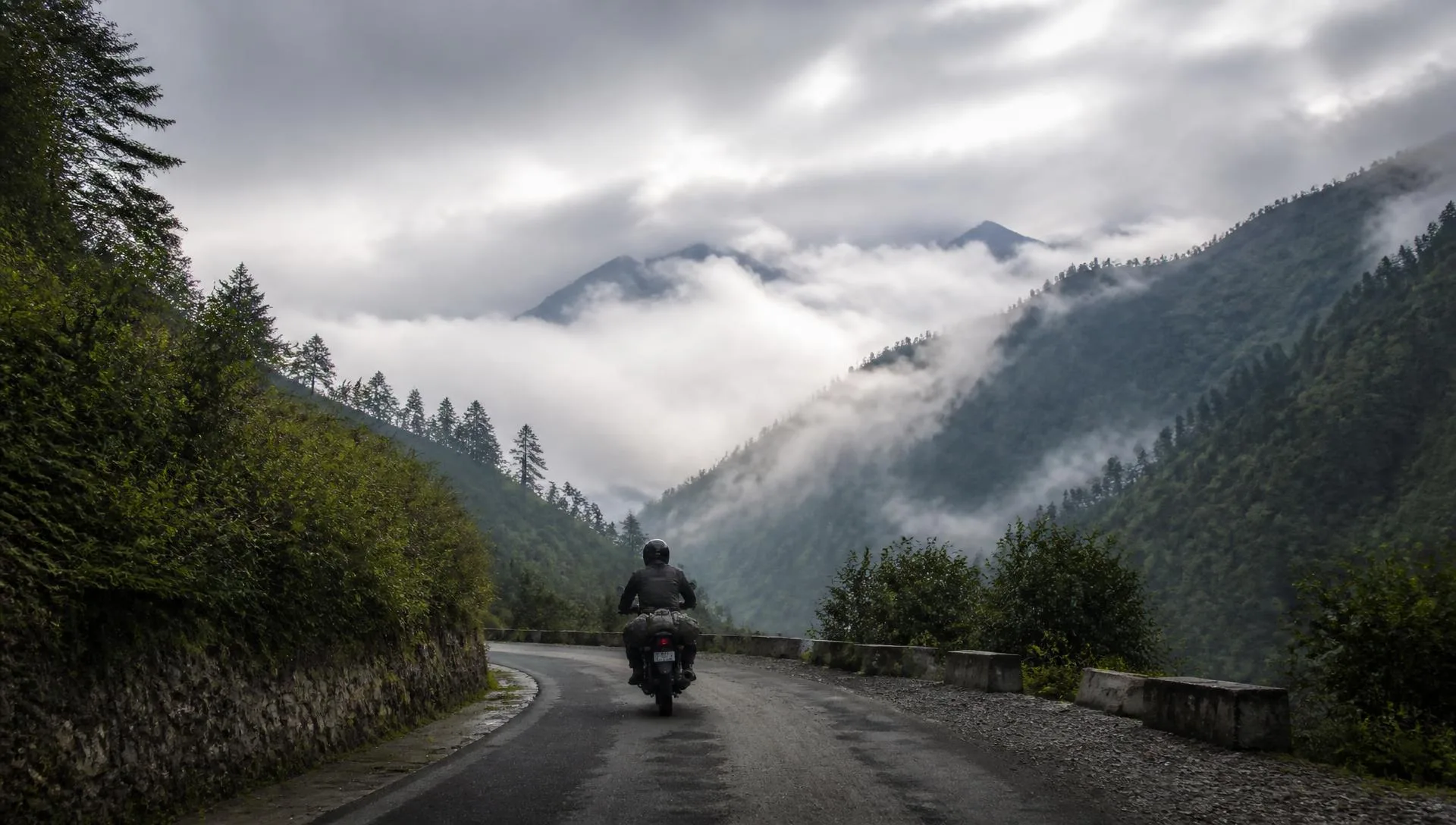
Motorcycle rider on a misty Himalayan mountain road in Sikkim

On two wheels

Some places are better experienced on the road.

Sikkim is made for travellers who enjoy the journey as much as the destination. Winding mountain roads, changing landscapes, remote villages and high-altitude routes make it a natural choice for a road trip.

Questions

Sikkim travel FAQs

What is the best time to visit Sikkim?

March to May and October to November are the two strongest windows. Spring brings rhododendrons and pleasant weather; October–November usually gives the clearest mountain views. Winter is cold with the possibility of snow at altitude, and the monsoon months can bring road disruption.

How many days are enough for Sikkim?

Four to five days covers Gangtok and East Sikkim. Six to seven days is realistic if North Sikkim is the priority. Eight to ten days lets you combine East, North and West or South without rushing.

What are the best places to visit in Sikkim?

Gangtok, Tsomgo Lake, Nathula Pass and Zuluk in the east; Lachen, Gurudongmar, Lachung, Yumthang and Zero Point in the north; Pelling in the west; Namchi, Ravangla and Temi in the south.

What is the difference between Lachen and Lachung?

They are two separate North Sikkim circuits. Lachen is the base for Gurudongmar Lake. Lachung is the base for Yumthang Valley and Zero Point. Many itineraries include one or both, but they are different valleys and different drives.

How do I visit Yumthang Valley?

Yumthang is visited from Lachung, usually as an early-morning drive. The Lachung leg itself is reached from Gangtok and requires a permit arranged through a registered operator.

Is Zero Point open throughout the year?

No. Access beyond Yumthang depends on snow, weather and current regulations, and it can be closed at short notice. It should never be treated as guaranteed on any itinerary.

Do I need a permit for Nathula Pass?

Yes. Nathula is a restricted area and requires a permit arranged in advance through a registered travel operator. Requirements and eligibility can change.

Do I need a permit for North Sikkim?

Yes. Lachen, Lachung, Gurudongmar and Yumthang all fall under restricted-area rules and need permits, which are arranged through registered operators with valid photo ID.

Can I see snow in Sikkim?

Snow is most likely in winter and at high-altitude points such as Zero Point, Nathula and parts of North Sikkim. Snowfall cannot be guaranteed for any specific date or location.

Is Sikkim good for a bike trip?

Yes. The Old Silk Route around Zuluk and the North Sikkim roads are among the most rewarding riding routes in the region, provided you plan for altitude, weather and permits.

What is the nearest airport to Sikkim?

Pakyong Airport in Sikkim and Bagdogra Airport in West Bengal both serve the state. Bagdogra has the wider flight network.

What is the approximate cost of a Sikkim trip?

It depends on season, accommodation, vehicle type, route and group size. Rather than a fixed number, look at the package pages for current indicative pricing, or tell us your dates and we will build a costed route.

Is Pelling better than Gangtok?

They serve different trips. Gangtok is the urban base with cafés, logistics and access to East Sikkim. Pelling is quieter and oriented around Kanchenjunga views, monasteries and waterfalls. Many travellers include both.

Can I customise my Sikkim trip?

Yes. Tell us where you want to go, your dates and the kind of experience you want, and we will build the route around you rather than fitting you into a fixed itinerary.

Sunrise light on the Kanchenjunga range above Sikkim's ridges

Sikkim is waiting. Where do you want to go?